Inspection guidance
Roof photographs: visible evidence and weatherproofing limitations
How roof photographs support reporting without establishing the condition of concealed flashings, membranes or future weatherproofing.
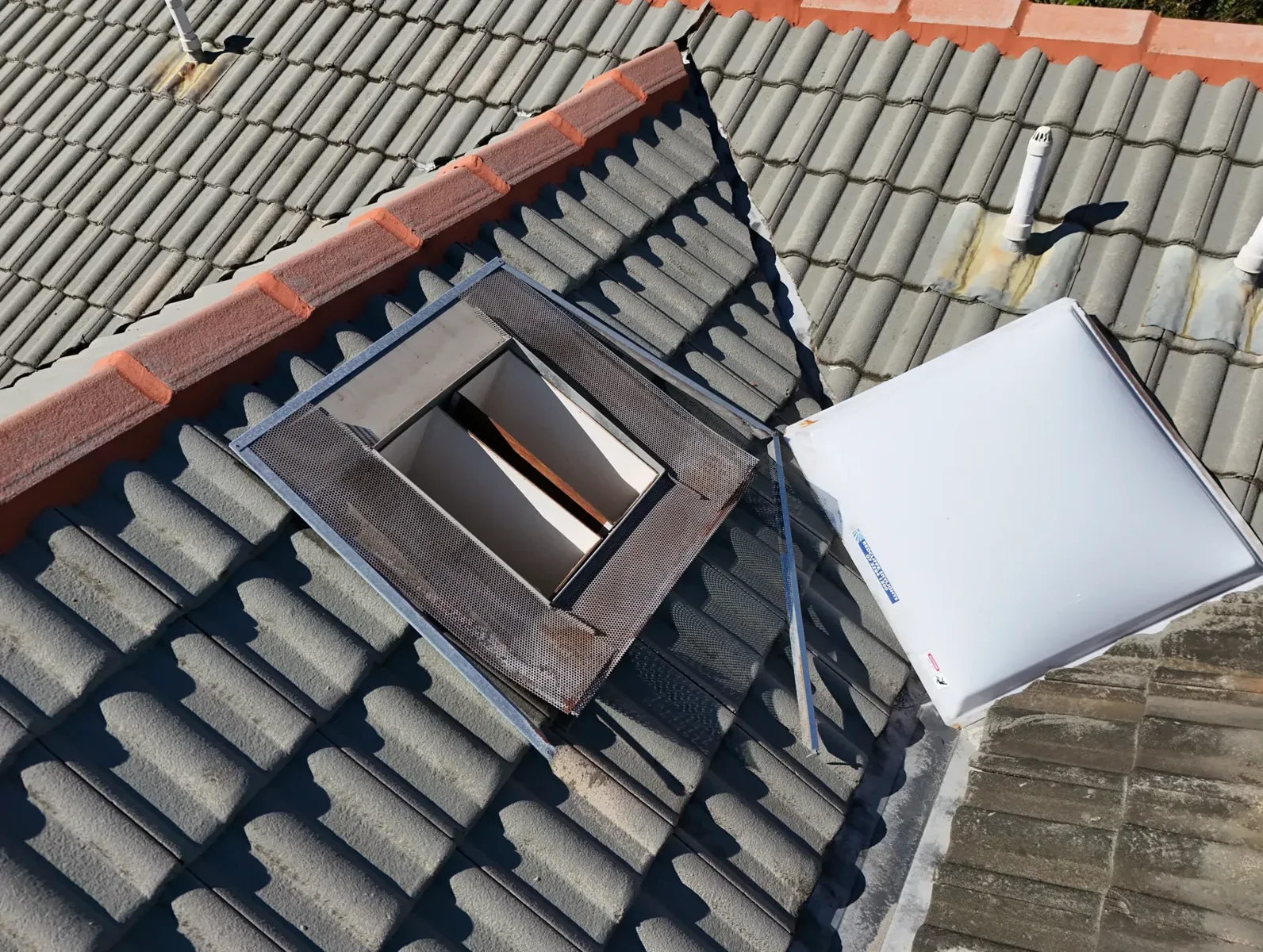
A roof photograph helps a buyer understand where an observation was made. This example from the Premise Inspections gallery shows roof tiles, ridge capping, penetrations and a roof-mounted unit. The image records visible surfaces from one viewpoint; it is not a complete roof assessment.
Visible surfaces are only part of the roof
Roof coverings, penetrations, junctions and drainage details can be partly obscured by their position, height or adjoining construction. Flashings may extend beneath coverings, and membranes or underlays may be concealed. A photograph of the outside cannot establish the condition of those hidden components.
What drone-assisted observations can add
Where safe, lawful and practicable, drone-assisted observations can provide views of roof areas that are difficult to see from the ground. Coverage remains limited to what is visible to the camera. Camera angle, lighting, access restrictions and operating conditions may affect the available views.
Drone-assisted roof observations are included only as part of the combined building and timber pest inspection under the service described on this website. They do not provide roof certification, concealed-condition assessment or an assurance against future leaks.
Why a dry inspection cannot predict every leak
Some water entry occurs only under particular weather conditions. The absence of visible water entry during an inspection does not establish future weatherproofing performance. No water testing, dismantling or assessment of concealed waterproofing systems is implied by a roof photograph.
Practical information for buyers
Read roof observations together with any accessible internal staining, deterioration and recorded access limitations. Ask whether the report recommends maintenance, repairs or further specialist assessment. A suitably qualified roofing contractor may be appropriate where a visible concern needs closer investigation or repair.
Where roof work has previously been undertaken, request available repair records from the seller. Records can assist enquiries but do not establish the current condition of concealed details. A complete physical inspection and its agreed scope remain essential to understanding the reported findings.