Inspection guidance
Preparing access for a building and pest inspection
A practical access checklist for buyers, sellers and agents, including roof openings, subfloors, stored items and safe access.
Clear, safe access helps an inspector observe more of the property within the agreed visual inspection scope. Access arrangements should be agreed with the seller or agent before the appointment. A buyer should not enter restricted areas or move another person’s belongings without permission.
Before the appointment
- Confirm how the inspector will enter the property and who will provide access.
- Identify the locations of roof-void and subfloor openings, where present.
- Ask the seller or agent to make relevant openings and accessible inspection areas clear of stored items where practicable.
- Provide available earlier inspection reports and timber pest management records.
- Tell the inspector about known access restrictions, animals or other relevant site conditions.
Furniture and stored items
Furniture, cupboards, personal possessions and stored materials may conceal walls, floors and other building elements. The inspection is non-invasive and does not involve emptying cupboards, dismantling finishes or moving heavy furniture to expose concealed areas. Where access remains restricted, the report should record the limitation.
Roof voids and subfloors
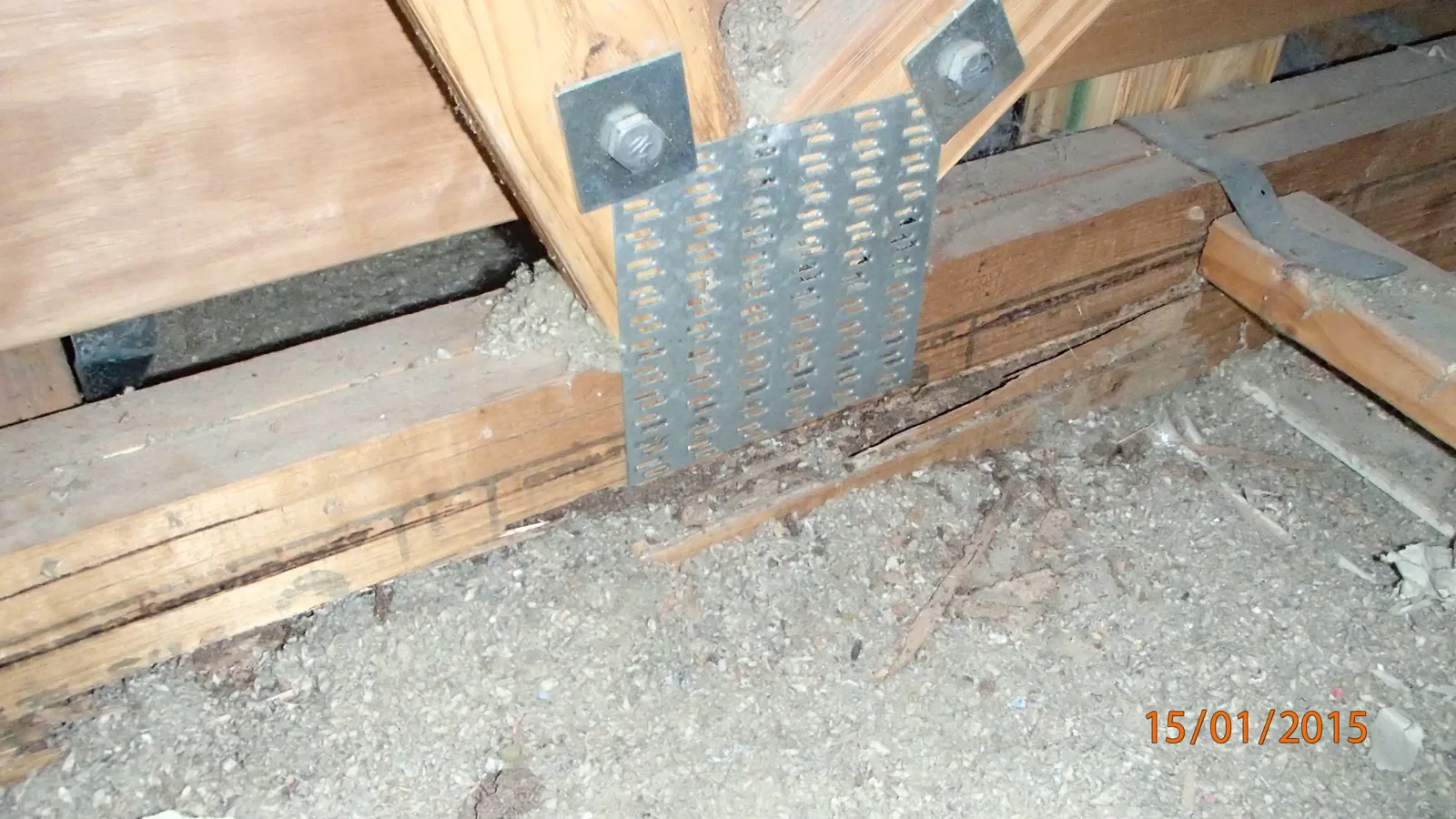
An access opening does not necessarily mean the entire space can be inspected. Available clearance, insulation, services, ground conditions and safety restrictions may limit observations. An area may be visible from an opening but unsuitable for entry. The report should explain the access achieved and the parts that could not be assessed.
What to do about an important restriction
If a restriction prevents assessment of a relevant area, the appropriate next step depends on the property, the agreed scope and any surrounding evidence. Further access and a separate inspection may be recommended. Clarify any additional arrangements or fees before proceeding, and allow time before your relevant contract deadline to consider the results.
Clearing an opening cannot guarantee complete access or the absence of concealed defects. The inspection reflects the reasonably accessible condition at the time it is undertaken.